collections

Cultural heterologies and democracy: culture in the Baltic countries in the 1990s

Cultural heterologies and democracy: culture in the Baltic countries in the 1990s

Table of contents:

Introduction
Cultural heterologies and democracy: culture in the Baltic countries in the 1990s
Virve Sarapik, Luule Epner & Piret Viires
pdf

Neoliberalism or postmodernism? Decolonizing Soviet Estonia, 1987–1991
Epp Annus
pdf

The emergence of postmodernism in Latvian literary culture
Eva Eglāja-Kristsone & Pauls Daija

Ethno-futurism: burden and freedom
Virve Sarapik
pdf

Transition and visual arts in Estonia 1988–1995: cultural policy, financing, legislation, and social changes
Karolina Łabowicz-Dymanus

Tallinn’s Freedom Square as a heterogeneous public space
Ingrid Ruudi

A sense of change: projections of the Lithuanian literary field in 1988 (based on material from the literary journal Pergalė)
Dalia Satkauskytė

Baltic theater festivals in the 1990s as agents of change
Zane Kreicberga †
pdf

From the shadows to the light: paradoxes of queer literature in post-Soviet Estonia
Piret Viires
pdf

Melancholic sons and dying mothers: queerness in (post-)Soviet Baltic fiction
Kārlis Vērdiņš & Jānis Ozoliņš

Editorial
In memoriam: Zane Kreicberga (1971–2024)

Forum
The left bites back: 2024 parliamentary election in Lithuania
Mindaugas Jurkynas

Book Review
Baltic human–animal histories: relations, trading, and representations
edited by Linda Kaljundi, Anu Mänd, Ulrike Plath, and Kadri Tüür, Berlin, Lang, 2024, 370 pp.
Anton Kotenko

Book Review
L’Italia in Lituania: breve dizionario biografico degli italiani in Lituania
by Pietro Umberto Dini, Novi Ligure, Joker, 2024, 394 pp.
Rosario Napolitano

Book Review
Jonas Mulokas: architectūrinio identiteto paieškos globaliame pasaulyje
by Vaidas Petrulis, Brigita Tranavičiūtė, and Paulius Tautvydas Laurinaitis, Kaunas, KTU leidykla Technologija, 2024, 362 pp.
Milda B. Richardson
Siirdeajastu kultuurimuutused II

Siirdeajastu kultuurimuutused II

Pdf of the special issue (includes summaries in English)


Table of contents:

Siirdekultuuri mosaiigid
Luule Epner, Piret Viires

Postmodernism siirdeajastu Eesti teatris [Postmodernism in the Estonian theatre in the transition period]
Luule Epner

Haiguse temaatika ja metafoorika Madis Kõivu dramaturgias [Subject matter and metaphors of illness in the dramaturgy of Madis Kõiv]
Piret Kruuspere

Siirdeajastu institutsionaalsed muutused Eesti teatri- ja filmivaldkonnas: võrdlev analüüs [Institutional changes in the Estonian theatre and film sector during the transition period]
Kristiina Reidolv

„Tagurpidi” mitut pidi: õpetlik, sürrealistlik, postmodernistlik [Instructive, surrealist, postmodernist: considering the aspects of the comic book “Tagurpidi”]
Mari Laaniste

Voices from transition: literary reflections on postsocialist life in German and Estonian contemporary literature [Siirdeaja hääled: postsotsialistliku elu kujutamisest saksa ja eesti nüüdiskirjanduses]
Aigi Heero

Language as a battlefield: Ukrainian postcolonial identity through Halyna Pahutiak’s young adult novel “The World’s Eye” [Keel kui lahinguväli. Ukraina postkoloniaalne identiteet Halõna Pahutjaki noorteromaanis „Maailma silm”]
Irena Peterson

Siirdeajastu kultuurimuutused

Siirdeajastu kultuurimuutused

Pdf of the special issue (includes summaries in English)


Table of contents:

Siirdeajastu kultuurimuutused [Cultural Changes of the Transition Period]
Luule Epner, Piret Viires

Siirdeaegsed valupunktid kirjandusteoste peeglis: Gohar Markosjan-Käsperi romaanid „Penelopa“ ja „Elena“ [Pain points of the transition era in the mirror of literary works: Gohar Markosjan-Käsper’s novels „Penelopa“ and „Elena“]
Aigi Heero

Eesti punkluule ja siirdeajastu algus [Estonian punk poetry and the beginning of the transition period]
Piret Viires

Tõlkekirjanduse vahendamisest ja vastuvõtust Eestis aastatel 1990–2000 saksakeelse kirjanduse näitel [Mediation and reception of translated literature in Estonia between 1990–2000 with reference to German literature]
Triin van Doorslaer

Looduse-kultuuri ökokriitiline ümbermõtestamine Andrus Kivirähki ja Monique Roffey teoste näitel [Ecocritical rethinking of nature-culture on the example of Andrus Kivirähk’s and Monique Roffey’s works]
Maris Sõrmus, Suliko Liiv

Lehekoomiks 1990. aastate Eestis [Newspaper comic strips in Estonia during the 1990s]
Mari Laaniste

Suudlusest süütuse kaotuseni: Eesti performance’i-kunstnike esimesed esinemised Soomes ja nende kajastused sealses trükimeedias [From the Kiss to the Loss of Innocence: the first appearances of Estonian performance artists in the west and their reviews in the Finnish print media]
Liis Kibuspuu

Sillad ja konfliktid ida-lääne kunstiteljel: Ida-Euroopa kui „lähedase Teise“ kodustamine 1990. aastatel [Bridges and conflicts on the Eastern-Western art axis: the domestication of Eastern Europe as „close Other“ in the 1990s]
Raivo Kelomees

Photographic Untruths in Fiction pt. 2

Pdf-s of articles (external link)


Contents:

The Not-So-Hard Truths of Photography, or, Exposing the Untruths of Photography
Agnes Neier, Nancy Pedri
1-10

Pratiques artistiques et usages dialectiques de la photographie dans la médiation de l’image
Alice Gerosa
11-25

From the Proliferation of the Photographic to the Nullification of Truth. Personal and Commercial Narratives of Travel in Britain, 1890s-1930s
Sara Dominici
26-43

What/Which Truth? Photography and Photojournalism in the Soviet Union
Jessica Werneke
44-62

On (Un)Truths of Photography. A Discussion with Photographer and Visual Artist Richard-Max Tremblay
Richard-Max Tremblay, Nancy Pedri
63-81

Various Articles

Beyond the hegemony of thought and the hedonism of perception.
The study of discourse and affect in Gabriel Josipovici’s Contre-Jour: A Triptych after Pierre Bonnard
Magdalena Sawa
82-96

Thème du texte et du film : les réécritures étagées de Claude Ollier
Jan Baetens
97-103

“Superhero City:” A Comic Book Reader’s Autoethnography
Jason D. DeHart
104-113

Review Articles

American Pop Art in France: Politics of the Transatlantic Image
Jan Baetens
114-115

Entre livre et terrain : photographier Saint-Étienne
Jan Baetens
116-117

Experimentation and the Lyric in Contemporary French Poetry
Gaëlle Théval
118-121

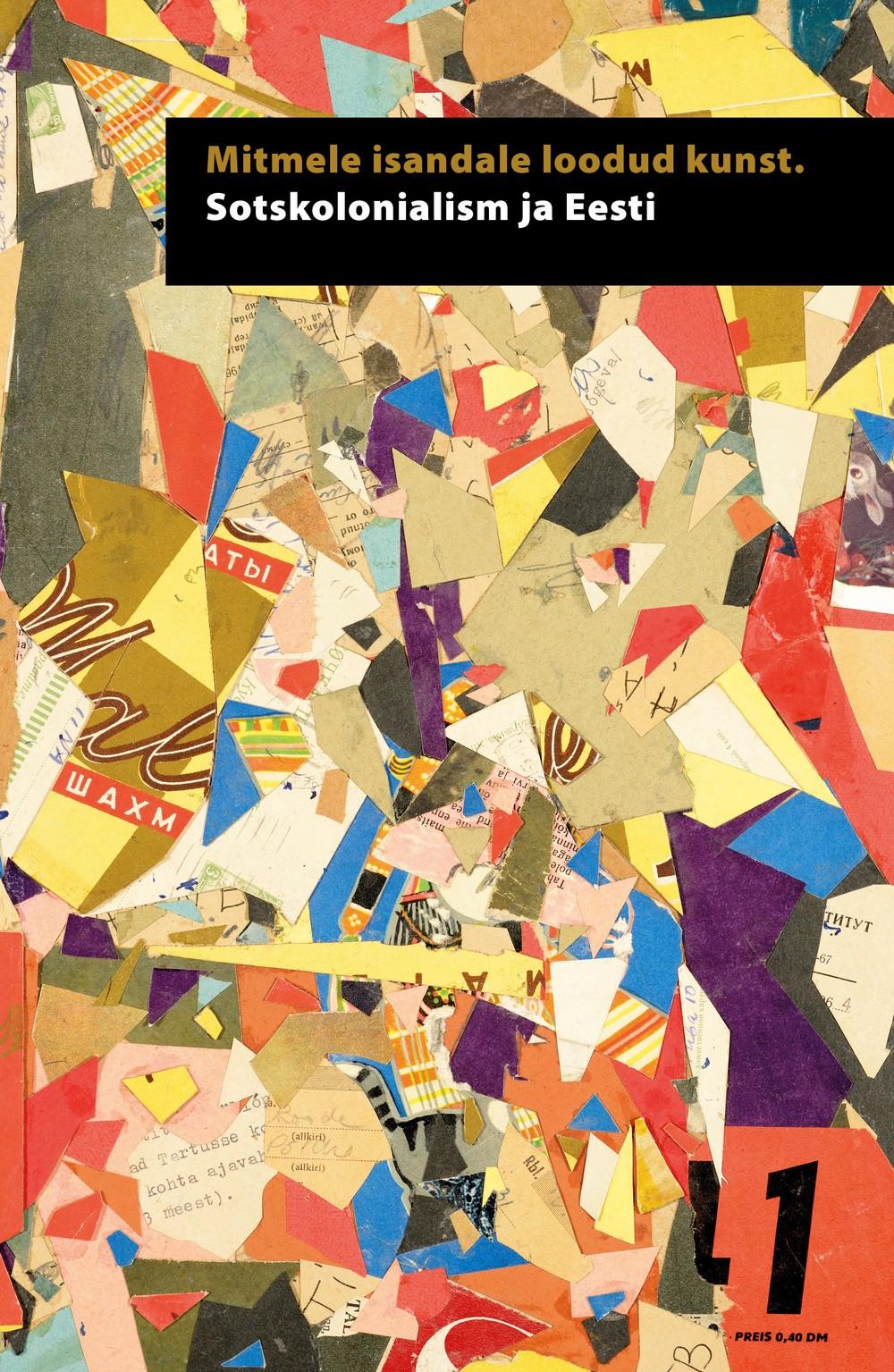
Mitmele isandale loodud kunst. Sotskolonialism ja Eesti

Mitmele isandale loodud kunst. Sotskolonialism ja Eesti

Tartu: Tartu Ülikooli Kirjastus, 2020, 324 lk.

Kuidas mõista seda, et nõukogude eesti kirjanikud avaldasid oma teoseid riiklikus kirjastussüsteemis ja nautisid riigi pakutavaid ainelisi hüvesid – aga ometi mäletatakse mitmeid neist eestluse kaitsjatena sellesama riigi eest? Kuidas mõista seda, et õpilasmalev oli läbinisti nõukoguliku noorsookasvatuse vaimus rajatud organisatsioon – aga ometi toimib see kultuuris senimaani pigem positiivse tähistajana? Kuidas mõista muid nähtusi, mis ei paigutu sugugi üheselt sellele võimu ja vastupanu teljele, mille järgi sageli Eesti nõukogude minevikku mõõdetakse?

Sotskolonialismi mõiste toob nõukogudeaegse kultuuri uurimisel keskmesse just sellised võimuga seonduvad mitmetähenduslikkused ja hallalad. Siinne kogumik koondab nii üldistavaid artikleid kui ka kultuurinähtuste üksikkäsitlusi. Vaatluse all on ilukirjandus, joonisfilm, rahvatants, kunstnike loomingulised valikud, regilaulu käekäik ja rahvaluule kogumine, ühismajandi tajumaailm, aga ka üliõpilaste stiilipeod.

Sisukord

Photographic Untruths in Fiction Pt.1

Pdf-s of articles (external link)


Contents:

Introduction: Un-truths of Photography in Fiction
Agnes Neier, Nancy Pedri
1-10

Artful Lives: Photography’s other Truths in Helena Janeczek’s La Ragazza con la Leica
Giorgia Alù
11-26

Invented Images: Photography, Experience, and History in Sofi Oksanen’s Novels
Markku Lehtimäki
27-37

Photography as a Mirror in Alison Bechdel’s Graphic Memoir Are You My Mother?: A Comic Drama
Małgorzata Olsza
38-50

Desperately Seeking Julia, or the Truth and Untruth of an Obituary Photograph: Anita Brookner’s Brief Lives (1990)
Laurence Petit
51-60

Various Articles
La Créolité de Charlie Chan Hock Chye
Philip Smith
61-74

The Evental Place of Photography
Ali Shobeiri
75-90

A Bilingual Lexicon for a Functional Analysis of Basic Elements of Comic’s Language.
Un lexique bilingue pour une analyse fonctionnelle des éléments fondamentaux du langage de la bande dessinée
Gaëlle Kovaliv, Olivier Stucky
91-107

Review Articles

La Bande dessinée à la croisée des médias
Jan Baetens
108-110

Enquêtes, Nouvelles formes de photographie documentaire
Mathilde Roussigné
111-113

Cham: The Best Comic Strips and Graphic Novelettes, 1839-1862
Jan Baetens
114-116

Kirjandus ja tehnika

Kirjandus ja tehnika

Pdfs of articles (External link)


Sisukord:


Eessõna / Foreword
Marin Laak

Sissejuhatus / Introduction
Kirjandus tehnikaajastul / Literature in the Age of Technology
Indrek Männiste, Jaak Tomberg


Artiklid / Articles

Johannes Semper hobusega. Avangard, takerduja tehnika ja looduse vahel / Johannes Semper with a horse: Avant-garde between technology and nature
Tiit Hennoste

„Muutume masinateks“. Tehnoloogia ja soolistatud kehad ameerika modernismis / “We Twiddle … and Turn into Machines”: Technology and gendered bodies in American modernism
Raili Marling

Kirjandus, kontrapunkt ja cantus technicus / Literature, Counterpoint, and Cantus Technicus
Indrek Männiste

Tehnikapööre ja luulekääne: tule jumal appi / A Technical Turn and Poetic Declination: God help us
Arne Merilai

Küberpunk ilma teadusulmeta / Cyberpunk without Science Fiction
Jaak Tomberg

Kirjandus ja digitaalne tehnoloogia / Literature and Digital Technology
Marin Laak, Piret Viires


Vabaartiklid / Varia Articles

Kakskümmend viis aastat hiljem. Ajakirjanike meenutused nõukogude tsensuurist / Twenty-five Years Later: Estonian journalists recall Soviet censorship
Roosmarii Kurvits


Teooriavahendus / Mediation of Theory

N. Katherine Haylesi posthumanistlik vaade digitaalsele kirjandusele. Saatesõna tõlkele / N. Katherine Hayles’ Post-human View of Digital Literature. Foreword to the translation
Jaak Tomberg

Intermediatsioon: ühe visiooni kannul / Intermediation: The Pursuit of a Vision
N. Katherine Hayles; Silver Rattasepp


Varia

Kirja masina ekstaatiline ümberkonstrueerimine / The Ecstatic Reconstruction of the Writing System Machine
Andrus Laansalu

Traditsioon ja avangard: lisandusi 1990. aastate kirjandusmuutustele

Traditsioon ja avangard: lisandusi 1990. aastate kirjandusmuutustele

Pdfs of the articles (summaries in English) – external link


Contents:

Traditsioon ja avangard kirjanduses
Luule Epner, Ave Mattheus, Piret Viires

Traditsioonist ja modernismist eesti sonetis [Modernism and Tradition in the Estonian Sonnet]
Rebekka Lotman

Traditsioon ja avangard eesti kirjandusõpetuse kujunemisloos [Tradition and Avant-garde in the Development of Estonian Literary Pedagogy]
Katre Talviste

Traditsioon ja avangard: lisandusi 1990. aastate kirjandusmuutustele [Tradition and Avant-garde: Some Additions to Literary Changes in the 1990s]
Piret Viires

Kunstiliste maailmade kehastamine Karl Ristikivi „Hingede öö” näitel [Embodiment of Artistic Worlds on the Basis of Karl Ristikivi’s Novel “Night of Souls”]
Anneli Saro, Hedi-Liis Toome

Ajalooline müüt Jaan Kaplinski draamas „Neljakuningapäev“ [Historical Myth in Jaan Kaplinski’s “Day of the Four Kings”]
Paavo Põldmäe

García Márqueze „Patriarhi sügis“ traditsiooni ja uuenduse vahel [“The Autumn of the Patriarch” by García Márquez − Between Tradition and Modernity]
Merilin Kotta

On Cultural Contacts and their Impact on Literature in Tallinn in the Early 17th Century [Kultuurikontaktidest ja nende mõjust Tallinna kirjandusväljale 17. sajandi alguses]
Aigi Heero

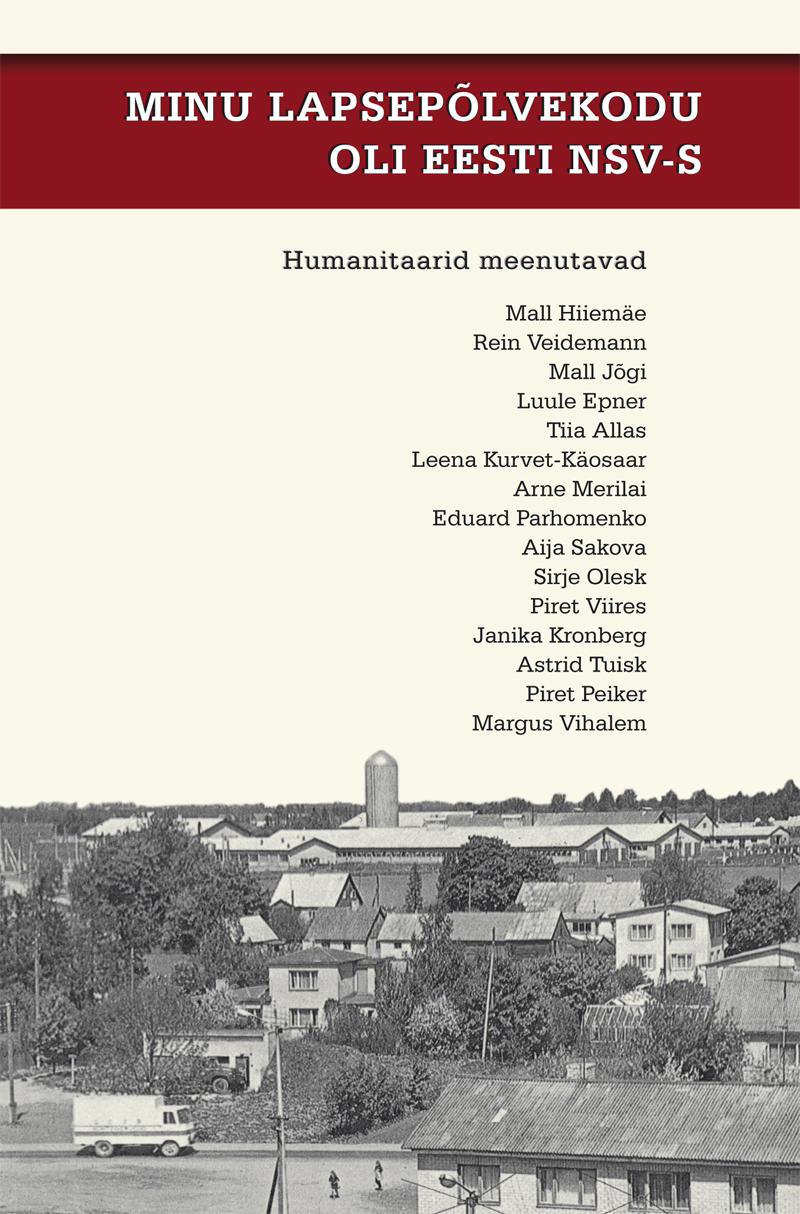
Minu lapsepõlvekodu oli Eesti NSV-s: humanitaarid meenutavad

Minu lapsepõlvekodu oli Eesti NSV-s: humanitaarid meenutavad

Tallinn: EKSA, 2019, 176 lk.

Nõukogude argielust – sealjuures ka koduelust – kõneldes ja kirjutades on tavaks saanud rõhutada korduvaid elumustreid, kattuvaid tegevusi, piiratud võimalusi. Poesabad ja täis bussid, ühte tüüpi sektsioonkapid sama põhiplaaniga korterites, vakstuga söögilauad pisikestes köökides, padujoomine maakohtades. Siinse raamatu koostamist õhutas soov läheneda taolistele paikaloksunud kujutluspiltidele kriitilisema pilguga. Kui homogeenne ikkagi oli nõukogude argielu? Kui sarnased olid nõukogudeaegsed eesti kodud? Mis kujul jõudis nõukogude režiim koduelu sfääri? Tahes-tahtmata lisanduvad ka üldisemad küsimused: mida koduks pidada, kuidas tõmmata kodu ja kodu välise piire, mis loob kodu kodususe?

Coloniality, Nationality, Modernity. A Postcolonial View on Baltic Cultures under Soviet Rule

Coloniality, Nationality, Modernity. A Postcolonial View on Baltic Cultures under Soviet Rule

London, New York : Routledge, 2018, 161 pp.

This volume addresses the Soviet era in the Baltic States from a postcolonial perspective. Our aim is to present an interdisciplinary perspective, with writings ranging from politics and economy to culture and everyday life.

Recent decades have witnessed a steady growth of interest in postcolonial studies. Postcolonial critiques developed into a major critical movement in the 1980s in the North American academy. By now, the field has developed into a comparative research area that includes scholars from all over the world. As David Moore has written, “The colonial encounters of the past two hundred years—from Dakar to Calcutta, Samarkand to Jamaica, Skopje to Tallinn, or Vladivostok to Seattle by the long route were so global and widespread, in unstandardizable diversity, that every human being and every literature on the planet today stands in relation to them: as neo-, endo- and ex-, as post- and non-.”

Interest in postcolonial approaches to the Soviet empire started to develop in the early 1990s. By now, twenty years later, scholars working with the Soviet era have generally accepted the notion of a Soviet empire. Indeed, the colonial nature of the Soviet regime is often taken for granted and many scholars from the Eastern bloc have found postcolonial categories useful in their work.

In the specific field of Baltic studies, the postcolonial turn has developed more slowly. The collection Baltic Postcolonialism (2006, ed by Violeta Kelertas) was the first volume addressing the topic. Many articles on the topic have been published in the vernacular languages, yet these are not accessible to a wider readership.


Contents:

Epp Annus
Introduction. Between arts and politics: A postcolonial view on Baltic cultures of the Soviet era.
pp 1-13
Full article

Benedikts Kalnačs
Comparing colonial differences: Baltic literary cultures as agencies of Europe’s internal others
pp 15-30
Full article

Jaak Kangilaski
Postcolonial theory as a means to understand Estonian art history
pp 31-47
Abstract

Violeta Davoliute
The Sovietization of Lithuania after WWII: modernization, transculturation, and the lettered city
pp 49-63

Maija Burima
Orientalism, otherness, and the Soviet empire: travelogues by Latvian writers of the Soviet period
pp 65-75
Abstract

Rasa Balockaite
Bourgeoisie as internal orient in the Soviet Lithuanian literature: Roses Are Red by A. Bieliauskas, 1959
pp 77-91

Sille Kapper
Post-colonial folk dancing: reflections on the impact of stage folk dance style on traditional folk dance variation in Soviet and post-Soviet Estonia
pp 93-111

Piret Peiker
Estonian nationalism through the postcolonial lens
pp 113-132
Abstract

Deniss Hanovs
Can postcolonial theory help explain Latvian politics of integration? Reflections on contemporary Latvia as a postcolonial society
pp 133-153
Abstract